Turning Trends Into Transformation: 7 Ways to Use Trend Cards With Intention
Most trend lists capture the loudest signals of the present, the stories already dominating headlines, feeds, and institutional reports. But the future rarely arrives through what’s trending today. Instead, it emerges through the subtle shifts in culture, technology, environment, and behavior that often stay hidden beneath the dominant narratives.
True foresight requires intentional scanning: a willingness to look beyond the noise, question inherited assumptions, and sense what is trying to emerge beneath the surface of the present moment. Trend cards, when crafted and used with this intention, become more than prompts. They become tools for collective intelligence, shared meaning-making, and strategic imagination.
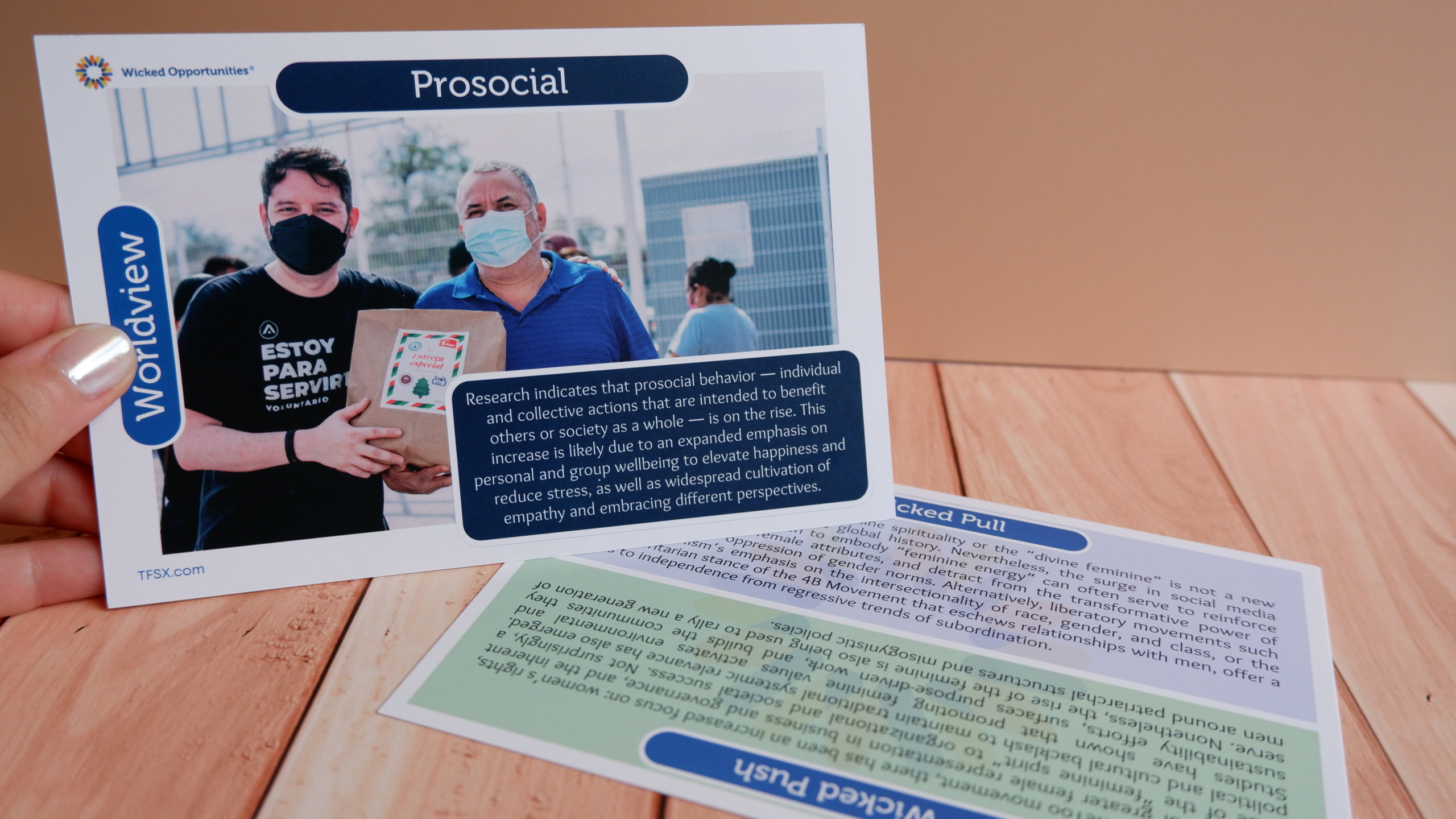
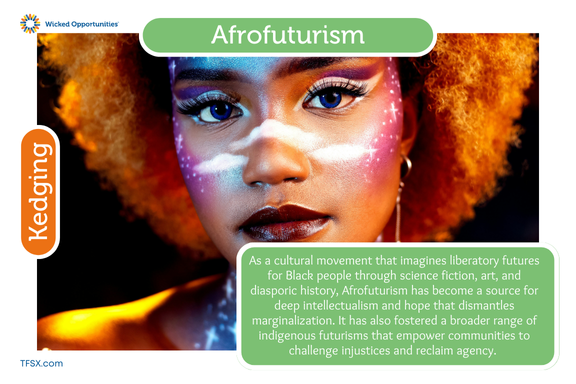
At TFSX, our trend cards are researched and designed with this philosophy in mind. Rather than echoing the “push” of the future (what institutions, media, and markets insist is coming) each card reflects a deeper exploration of the edges of change. They help practitioners access the full spectrum of the future, including what is possible, plausible, preferred, and emergent.
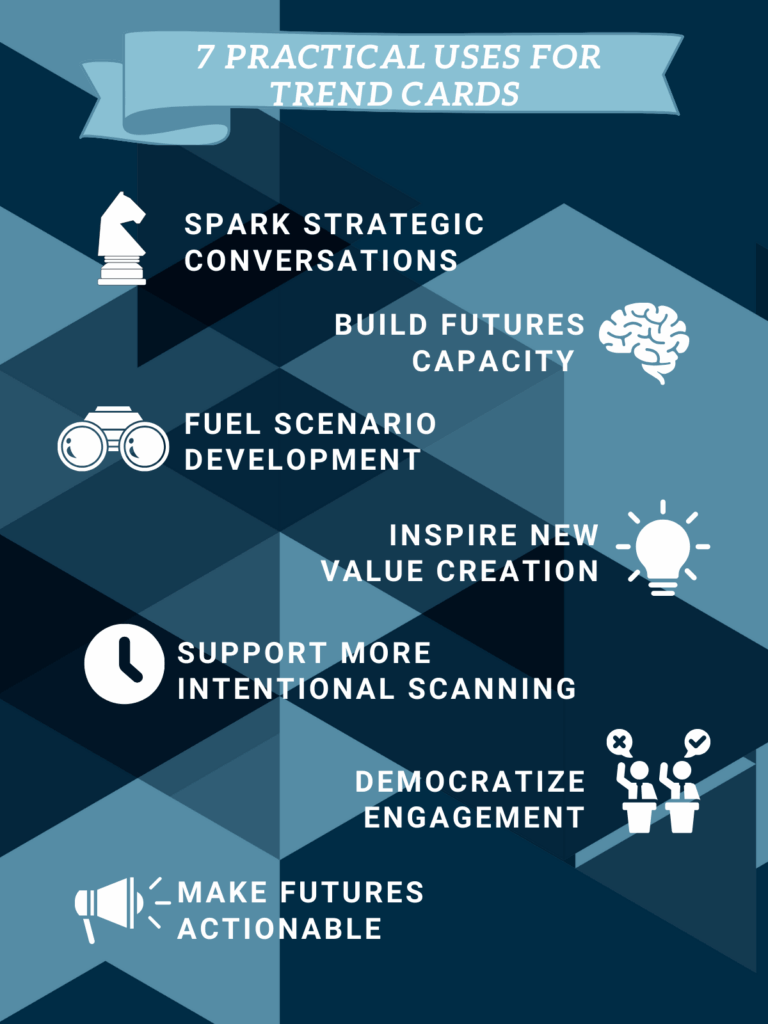
Below are seven practical ways trend cards can transform how teams, organizations, and communities engage with the future.
#1 Spark Strategic Conversations
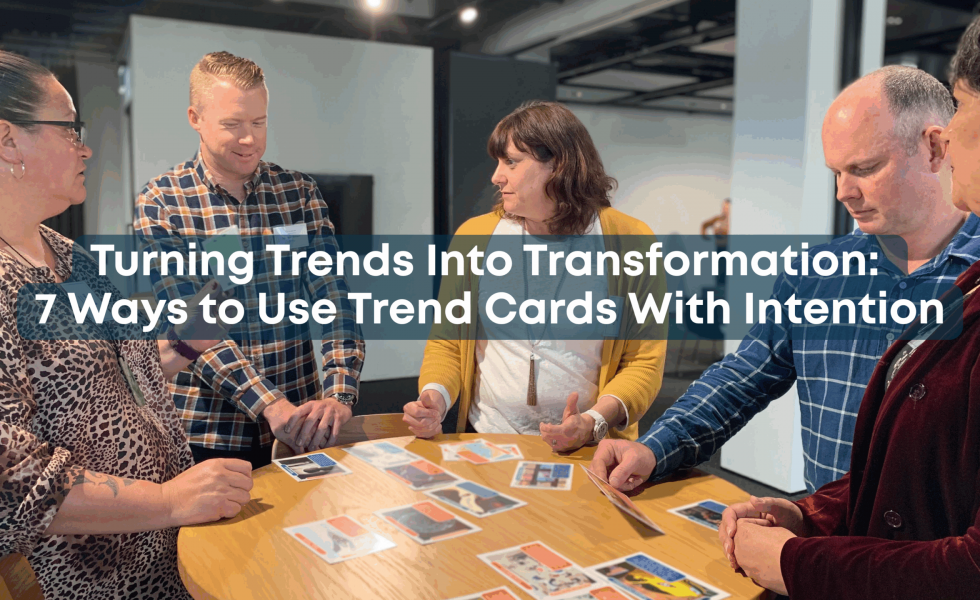
Trend cards create an immediate entry point into meaningful dialogue. By externalizing emerging issues onto the table (literally) they help teams surface assumptions, broaden perspectives, and discuss what’s shifting in their operating environment. The goal isn’t to predict the future, but to expand the range of futures people consider possible.
Use cases:
- Icebreakers in strategy sessions
- Executives aligning on emerging issues
- Cross-functional conversations about long-term risk and opportunity
#2 Build Futures Capacity Across Teams
Trend cards translate complex ideas into approachable, relatable starting points. They help participants practice core foresight skills — pattern recognition, scanning, sense-making, and reframing — without requiring technical expertise. When used regularly, they strengthen futures literacy across teams and roles.
Use cases:
- Training workshops
- Onboarding new hires
- Continuous learning experiences (weekly “trend pulls”)
#3 Fuel Scenario Development
Trend cards offer building blocks for more imaginative and rigorous scenario creation. By clustering and combining them, teams can explore interactions across systems, identify deeper drivers of change, and craft scenarios grounded not only in dominant narratives but in emerging possibilities. This anchors long-term thinking in a more holistic understanding of the future.
Use cases:
- Identifying drivers of change
- Creating alternative future worlds
- Stress-testing strategies against multiple futures
#4 Inspire Innovation and New Value Creation
Emergent change often reveals unmet needs and untapped opportunities. Trend cards help teams generate innovative ideas by exploring what alternatives are becoming possible — long before they are mainstream. They shift ideation from incremental improvement to transformational potential.
Use cases:
- Discovering new business models or ecosystem roles
- Innovation sprints
- Product and service design
#5 Support More Intentional Scanning
Most scanning efforts focus on what’s already visible. Trend cards encourage practitioners to look deeper: to consider alternative narratives, marginalized signals, and overlooked domains of change. They help teams cultivate a habit of paying attention to emergence, not just amplification. This leads to more nuanced insights, richer trend analysis, and a more balanced view of the future.
Use cases:
- Monthly trend reviews
- Team retrospectives with a futures lens
- Building an organizational scanning practice
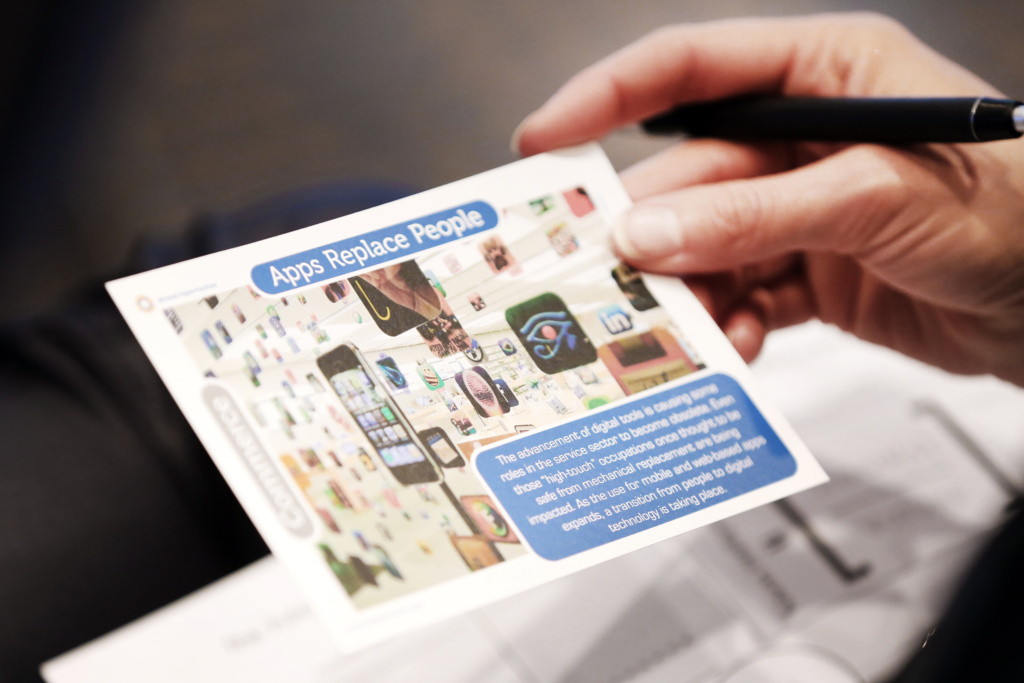
#6 Democratize Participation and Engagement
Because trend cards are tangible and accessible, they democratize foresight work. They invite participation from people with different perspectives, roles, expertise levels, and lived experiences. This fosters deeper engagement and helps teams understand not just what is changing, but what it means for the communities they serve.
Use cases:
- Community engagement
- Leadership retreats
- Participatory futures programs
#7 Make Futures Actionable
Trend cards help bridge the gap between insight and strategy. By translating signals into implications — for culture, capability, partnerships, policy, purpose, and value — teams can make more informed decisions. Trend cards help shift foresight from a conceptual exercise to a practical tool for shaping next steps.
Use cases:
- Prioritizing risks and opportunities
- Identifying capability gaps
- Informing long-term strategic choices
Why wicked opportunity Trend Cards Are Different
Not all trend cards are created equally. Many simply mirror dominant narratives, the most visible stories and predictions circulating in mainstream reports. But if foresight is to be transformational, it must move beyond the already amplified.
Wicked Opportunity trend cards are designed to reflect the deeper patterns of emergence. Each card represents not only what is changing, but why it matters and how it may transform systems over time. They help practitioners access the broader landscape of possibility and engage with futures that are more just, regenerative, and meaningful.
The Future Doesn’t Just Arrive. We Create It
Trend cards are not about forecasting; they are about expanding perception. They help teams see beyond the surface, engage with complexity, and participate more intentionally in shaping what comes next.
Scan with intention. Listen for emergence. Create futures worth living.