We Are Not a Relay Race
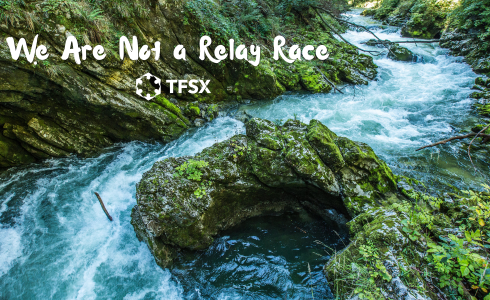
Most of us inherit the future the way a runner inherits a baton: pick up what was handed to you, run as hard as you can, and pass it on exactly as you received it.
But what if that’s the wrong way to think about what gets passed between generations?
What if it’s less like a relay race, and more like a river?
Recently, TFSX co-founder Frank Spencer had the privilege of hosting Nora Bateson alongside her daughter, Sahra Brubeck, for their first ever public interview together. Their conversation explores a question that sits at the center of intergenerational futures work: what do we actually owe the people who came before us and the people who come after?
Many of us think of legacy as something to preserve intact, a set of habits, beliefs, and coping strategies to carry forward unchanged. Nora and Sahra offer something different: legacy as a living current. Some of what flows down through a family, a culture, or a species keeps us alive. Some of it, quietly, costs us life. The work is learning to tell the difference, together, across generations, without pretending any single generation can do it alone.
In this rare, unguarded conversation, mother and daughter, respected systems thinker and practicing family therapist, explore what Nora calls “aliving”: the recognition that none of us were ever truly individuals, that we have always been shaped by, and shaping, everything and everyone around us. Sahra brings that same sensibility into her clinical work, where trauma is never a private, isolated event but a relational one, held in bodies and passed between them.
Together, they challenge the idea that systems change is something designed from above and implemented on a community. Instead, they locate it in the minutiae of a single day: how you make tea, how you feed your children, how you speak to your daughter.
This perspective carries real weight for futures thinking. It suggests that the deepest transformation available to us doesn’t lie in a better forecast or a cleaner strategy. Rather, true change comes from the willingness to notice which inherited habits are keeping us alive (and which ones we’re ready to set down) so the next generation has freer hands.
As a rare gift, Nora reads from her newest book, Belly, a piece written as a letter to her own late mother. Woven through with the layered meanings of the word “matrix” (womb, table, source, simulation) it names something many of us feel but rarely say aloud: we cannot carry our ancestors’ wounds forward intact and still leave the next generation free to do their own work.
This episode is especially resonant for anyone working in futures, family systems, leadership, or care-based practice who senses that the future isn’t something one generation designs and hands off, but something every generation has to keep working out, together, imperfectly, in real time.
“It’s so moving, and it’s so special, the interplay,” Frank Spencer reflected after the conversation, “and all I can think hearing this is how many people are going to receive so much out of this relational unveiling.”
Topics covered include:
- Why intergenerational change is a current, not a relay race
- “Aliving” and “amonging”: being among life rather than separate from it
- How trauma, healing, and systems change all live in daily, relational moments
- A reading from Nora’s latest book, Belly
- What it means to “break the matrix” without breaking the bond
About Nora
Filmmaker, Writer, Educator, Lecturer
Nora Bateson, is an award-winning filmmaker, research designer, writer and educator, as well as President of the International Bateson Institute based in Sweden. Her work asks the question “How we can improve our perception of the complexity we live within, so we may improve our interaction with the world?”. An international lecturer, researcher and writer, Nora wrote, directed and produced the award-winning documentary, An Ecology of Mind, a portrait of her father, Gregory Bateson. Her work brings the fields of biology, cognition, art, anthropology, psychology, and information technology together into a study of the patterns in ecology of living systems. Her book, Small Arcs of Larger Circles released by Triarchy Press, UK, 2016 is a revolutionary personal approach to the study of systems and complexity, and the core text of the Harvard University LILA program 2017-18. Her new book, Warm Data, will be released in 2020 by Triarchy Press. Nora was the recipient of this year’s Neil Postman Award for Career Achievement in Public Intellectual Activity.
The IBI integrates the sciences, arts and professional knowledge to create a qualitative inquiry of the integration of life. Nora is the president of the International Bateson Institute, directing research projects that require multiple contexts of research. interdependent processes. Asking, “How we can create a context in which to study the contexts?” An impressive team of international thinkers, scientists and artists have been brought together by the IBI to generate an innovative form of inquiry, which Nora coined “Transcontextual Research” and the corresponding new form of information she dubbed: “Warm Data”. A group process created by Nora, called the ‘Warm Data Lab’ has been the public outreach model of this research. Over 100 groups around the world have participated in Warm Data Labs to assist in developing the ability to perceive complexity.
In addition Bateson is also credited with the innovation of the neologism “symmathesy,” and the corresponding theoretical essay bearing the same title. Bateson defines this neologism as “An entity composed by contextual mutual learning through interaction. This process of interaction and mutual learning takes place in living entities at larger or smaller scales of symmathesy.”
As an educator she has developed curricula for schools in Northern California, and produced and directed award winning multimedia projects on intercultural and ecological understanding. Her work, which has been presented at the world’s top universities, is described as “offering audiences a lens through which to see the world that effects not only the way we see, but also the way we think”. Nora’s work in facilitating cross-disciplinary discussions is part of her research into what she calls, “the ecology of the conversation.”Her speaking engagements include keynote addresses and lectures at international conferences and universities on a wide range of topics that span the fields of anti-fascism, ecology, education, the arts, family therapy, leadership and many more aspects of advocacy for living systems– she travels between conversations in different fields bringing multiple perspectives into view to reveal larger patterns.
Memberships and awards: Chairman and founder of the International Bateson Institute. Associate of The Taos Institute. Board Member: General Semantics Institute, Tomorrow Makers, Fellow of Lindisfarne Foundation, Bateson Idea Group (BIG), Club of Rome, World Academy of Arts & Sciences, Great Transition Foundation, Human Potential Foundation, Awards: Sustainable Thompkins Ecology Award, Winner Spokane Film Festival, Winner Santa Cruz Film Festival, Media Ecology Award, Recipient of the 2019 Neil Postman Award for Career Achievement in Public Intellectual Activity.
Contact: Söderbacksvägen 10, 17891 Munsö Sweden // Phone: +46 (0) 72 5875855
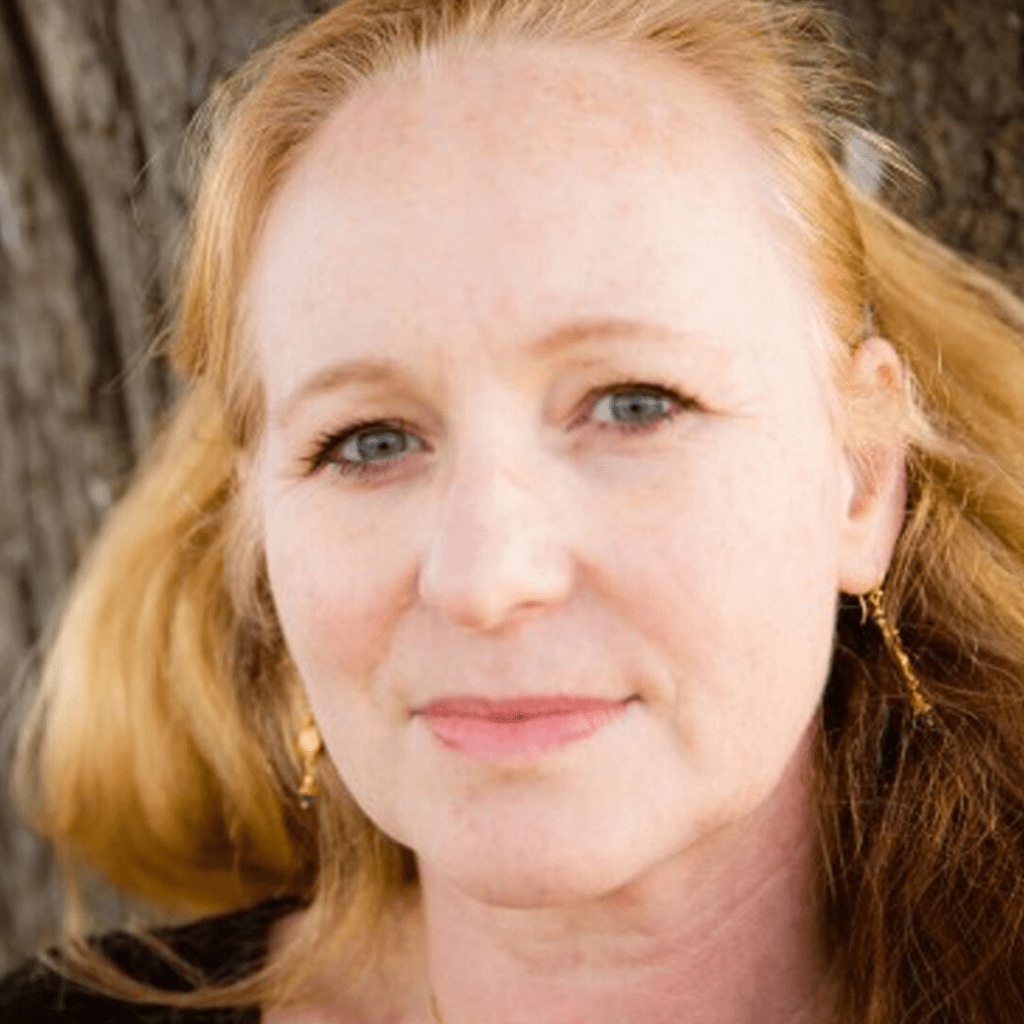
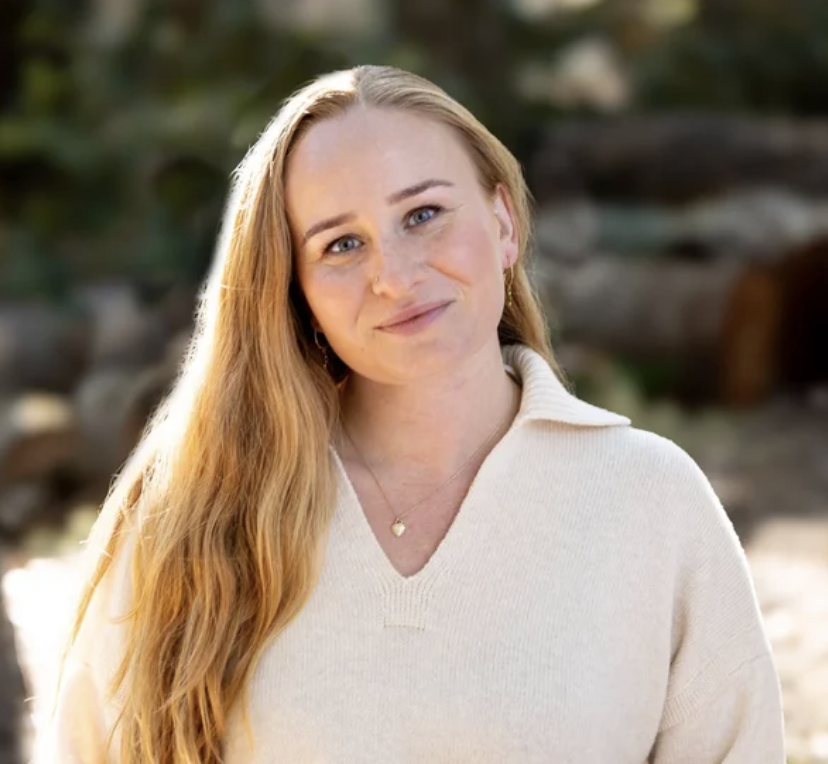
About Sahra
Marriage and Family Therapist, Transcontextual Researcher
My approach to therapy is informed by a lifelong dedication to perceiving all living beings in their complexity. In practice, this approach involves holding everyone’s experience as their own, whilst simultaneously holding space for the areas where our personal stories converge with cultural, familial, and ancestral narratives. Rather than perceiving people in isolation, I lean towards understanding people as ecologies that exist within larger ecologies.
I entered therapeutic training with a profound curiosity about the intricate dynamics that inform how we relate to ourselves and each other. I view my professional background as inextricably tied to my personal history and lived experiences. I come from a family of self-proclaimed misfits with a passion for artistic expression and systems thinking, which provided me with a deep-seated appreciation for perceiving the interconnectedness between all living creatures. Through my lived experience, academic pursuits, and clinical background, I’ve gained valuable insights into the intricate web of relationships and patterns that shape our lives.
My therapeutic approach is informed by this systemic perspective, which acknowledges the importance of considering the broader contexts in which individuals exist. I believe that true healing occurs when we understand the intricate interplay between our internal experiences and the external systems that influence us. Whether you are facing personal challenges, struggling with relational dynamics, or navigating organizational issues, I’m here to offer a supportive environment where you can feel empowered to explore thoughts and emotions without judgment.
I am deeply committed to fostering growth, resilience, and holistic well-being. By collaboratively unpacking the complexities of your life’s systems, we can work together to cultivate meaningful change and facilitate your journey towards greater fulfillment and balance.